
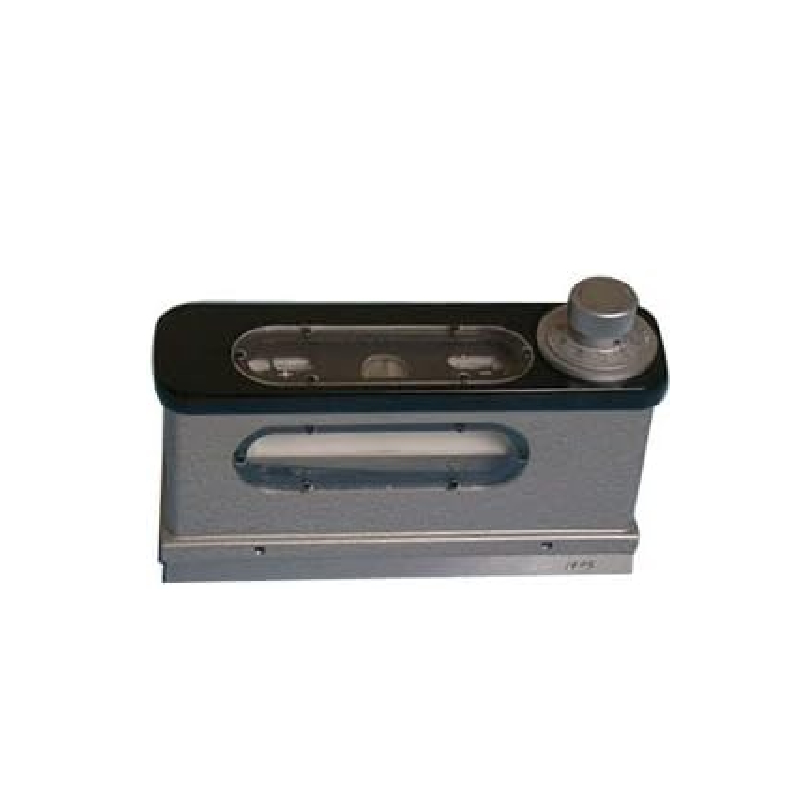
vanity mirror with lights portable
The Enigma of the Small Marble Box In the corner of an old attic, amidst a collection of forgotten treasures, lay a small marble box. Its surface gleamed softly under the faint light filtering through the dusty windowpanes. The box, no larger than a child’s palm, was crafted from polished marble, with intricate patterns that danced across its exterior. It possessed an allure that could spark the imagination and invite countless stories from those who dared to explore its mysteries. As I approached the box, I was immediately struck by its beauty. The swirling grays and whites of the marble seemed to tell a tale of ages past, whispering secrets of the hands that once crafted it. With a gentle touch, I lifted the lid, revealing a hidden compartment. Inside lay a collection of small, colorful stones – each one unique, each with a story waiting to be told. The stones glimmered like fractured rainbows, their surfaces smooth and cool to the touch. I picked up a vibrant blue stone, its hue reminiscent of the sea on a sunny day. I imagined it possessing the spirit of adventure, perhaps once belonging to a traveler who had journeyed across oceans. Next, I turned to a deep red stone, warm and inviting. This one ignited thoughts of passion and love, evoking fantasies of secret romances hidden away from prying eyes. With each stone I examined, the box became a vessel of imagination, transporting me to different times and places. I envisioned the original owner carefully selecting each stone, imbued with personal significance. Was it a girl collecting mementos of her first love? A boy gathering tokens of his adventures? The stories were as varied as the colors of the stones themselves, each waiting patiently to be rediscovered. small marble box The small marble box also posed questions about memory and legacy . What stories did it carry? Did it belong to someone dear, or was it simply an item lost to the whims of time? The more I pondered, the more I realized that this box was not merely an artifact; it represented the connections we forge and the memories we cherish. It was a reminder that even the smallest objects can hold immense significance, serving as vessels for our experiences and emotions. As the day wore on, I found myself reluctant to leave the attic and its enchanting treasure. The box, with its stones, had ignited a spark of creativity within me. I started to jot down stories associated with each stone, weaving tales of love, adventure, and discovery. The small marble box became my muse, a quirky inspiration for stories yet to unfold. Finally, as dusk settled and shadows crept across the attic, I gently placed the lid back onto the box. I made a silent promise to return, to dive deeper into the well of stories it held. The small marble box was no longer just an object; it had become a doorway to a world filled with imagination and wonder. In a world often filled with the mundane, the smallest of things can remind us of life’s richness. The small marble box, with its colorful stones and intricate design, serves as a poignant symbol of the beauty found in simplicity. It embodies the idea that every object carries its own narrative, urging us to look closer and listen to the stories that whisper quietly in the corners of our lives. And so, with a final glance, I left the attic, knowing that the small marble box would always be there, a keeper of dreams and memories, waiting for the next soul willing to uncover its mysteries.
about
vanity mirror with lights portable
Understanding the Thread Per Inch (TPI) Gauge A Comprehensive Guide The Thread Per Inch (TPI) gauge is an essential tool used in various industries, particularly in mechanical engineering and manufacturing. It serves as a measurement device designed to determine the pitch of threads on screws, bolts, and other fasteners. In this article, we will explore what TPI is, how to use a TPI gauge, and its importance in ensuring proper fastening in various applications. What is Thread Per Inch (TPI)? Thread Per Inch is a unit of measurement that describes the number of threads contained in one inch of a screw or bolt. For example, if a bolt has 10 threads in one inch, it has a TPI of 10. TPI is primarily used in the imperial system, while the metric system generally employs pitches measured in millimeters. Understanding TPI is crucial for ensuring compatibility between fasteners and threaded holes, as mismatched threads can lead to joint failures or mechanical issues. The Construction of a TPI Gauge A TPI gauge typically features a series of serrated edges or cutouts, each corresponding to a specific TPI measurement. These edges are usually numbered, providing a quick reference to the user. Made from durable materials, such as stainless steel or hardened plastic, TPI gauges are designed for repeated use under various environmental conditions. Some gauges are also dual-sided to accommodate both coarse and fine threads, making them even more versatile. How to Use a TPI Gauge Using a TPI gauge is a straightforward process 1. Select the Right Gauge Choose a TPI gauge that suits the size of the fastener you are measuring. If the fastener is small, make sure the gauge has the appropriate range. 2. Align the Gauge Place the selected area of the gauge against the threads of the bolt or screw. Ensure that the gauge is level for an accurate reading. thread per inch gauge 3. Count the Threads Identify the point on the gauge that best matches the threads of the fastener. This will allow you to determine the TPI by matching the threads on the gauge with those on the fastener. 4. Read the Measurement Once you’ve found a match, read the corresponding TPI value on the gauge. This value is critical for selecting the correct nut or threaded hole. Importance of TPI in Applications Understanding and accurately measuring TPI is crucial across various applications for several reasons - Compatibility Fasteners must be compatible with the materials they are used with. An incorrect TPI can lead to poor fitting and compromised structural integrity. - Load Bearing Capacity The number of threads per inch can affect the load-bearing capacity of a fastener. Fine threads, which have a higher TPI, are often used in applications that require greater resistance to stripping and are better for precise adjustments, while coarse threads are better for applications requiring quick assembly and disassembly. - Safety In industries such as automotive, aerospace, and construction, the proper fastening and tensioning of components are vital for safety. An inaccurate TPI measurement can lead to potential failures. Conclusion The Thread Per Inch gauge is a simple yet indispensable instrument in the toolkit of engineers, machinists, and manufacturers. By providing an accurate measure of thread density, it ensures that components are assembled correctly and safely. Mastery of TPI measurements not only enhances the quality of work but also protects against mechanical failures that can have serious consequences in industrial applications. Whether you're a seasoned professional or a DIY enthusiast, investing time in understanding TPI and how to use a TPI gauge is certainly worthwhile. The efficiency and safety it brings to any project cannot be overstated, making it a fundamental aspect of mechanical assembly.
-

High quality industrial productsagement

High quality industrial products
View Details -

Meet the diverse needs of customers

Meet the diverse needs of customers
View Details -

Strict quality control

Strict quality control
View Details -

Top raw materials

Top raw materials
View Details -

Trusted supplier

Trusted supplier
View Details
Our application


news and information
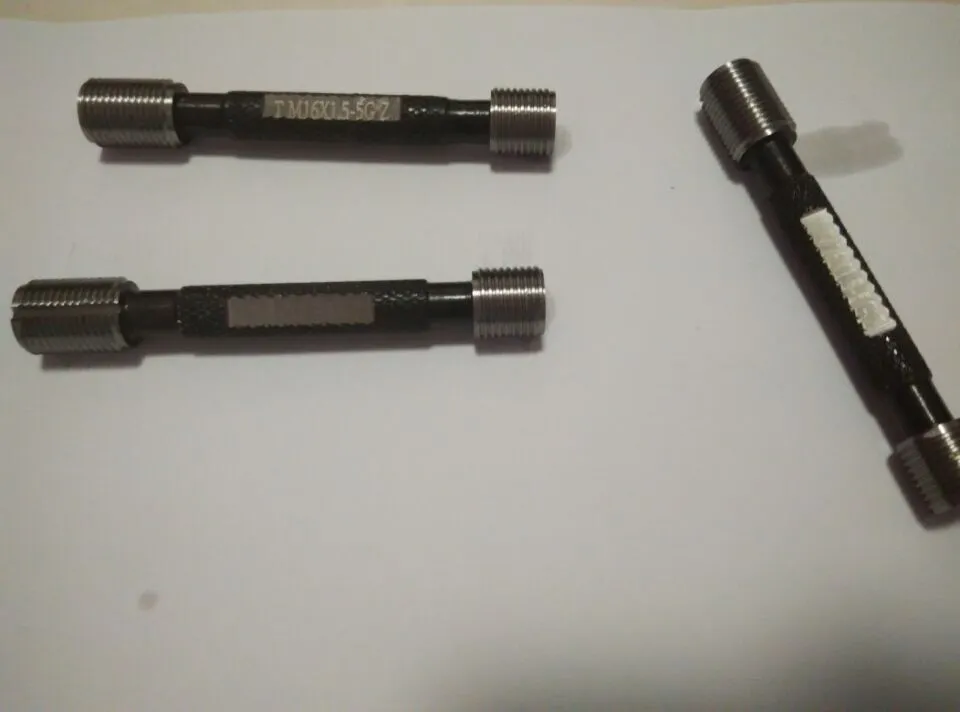
Versatile Thread Ring Gauge for Precision Measurement and Adjustment in Manufacturing Applications
adjustable thread ring gauge .

Van cổng 6 inch giá
Giá van cổng 6 inch Một số thông tin cần biết Van cổng là một trong những thiết bị quan trọng trong

Valve Manufacturing Process and Innovative Techniques for Enhanced Performance
The Evolution and Importance of Valve Factories in Modern Industry Valve factories play a crucial ro
 English